

Summer Session Two
August 3 – September 11, 2026
- Students can enroll in any combination of courses as long as they do not exceed 10 units. Courses are scheduled such that they do not overlap. Students will need to indicate which courses they intend to enroll in on the Summer Session 2 application (due April 15, 2026).
- Students interested in Summer Session 2 classes at BML must submit an application (applications are open now and will be due on April 15, 2026). Students will need to indicate which courses they intend to enroll in on the Summer Session 2 application. See more on the application and admission information page.
- All courses are open to students from any college or university.
- Housing is available at BML’s on-site dormitory (additional fees apply for room and board at BML, see FAQ). Students can request housing in their application.
- Scholarships are available for study at BML: These scholarships are competitively awarded to excellent students who are in financial need to support their studies at BML. We prioritize juniors and seniors, students taking 6-10 units, and students who plan to stay at BML housing. Open to UCD and non-UC Davis students. Students need to enroll in at least 6 units to qualify. All undergraduate students – national, international, undocumented, AB540 – are eligible to apply for scholarships.
- All of the courses have suggested prerequisites. Please refer to the UCD General Catalog for specific course recommendations. If you have not completed the prerequisites, please reach out to the course professor to discuss your readiness for the class.
- See Summer Session Frequently Asked Questions for more information.
The tentative course schedule for 2026 Summer Session 2 will be:
- ESP 152 (Coastal Oceanography) meets on Monday (all day) and Friday afternoons.
- GEL/ESP 150C (Biological Oceanography) meets on Tuesdays (all day) and Thursday afternoons.
- EVE 113 (Marine Microbial Ecology) meets on Wednesday, Thursday, and Friday mornings.
- EVE/ESP 111 (Marine Environmental Issues) meets on Wednesday afternoons.
AM or PM | Monday | Tuesday | Wednesday | Thursday | Friday |
|---|---|---|---|---|---|
AM |
ESP 152 |
GEL/ESP 150C | EVE 113 |
EVE 113 | EVE 113 |
PM | BML Seminar |
ESP 152 | |||
EVE/ESP 111 | GEL/ESP 150C |
Applications are Currently Closed
If you have questions about Summer 2026, please reach out to Ellie Fairbairn.
Course Options
ESP 152 Coastal Oceanography
(3 units)
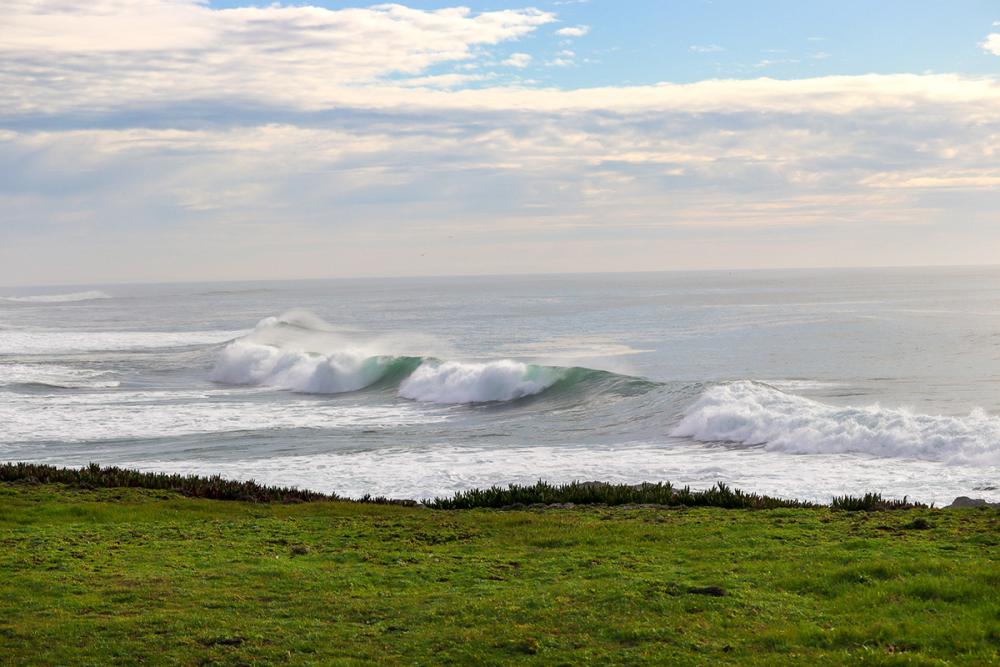
This introduction to the oceanography of coastal and estuarine waters adopts an environmental oceanography perspective. The focus is on transport patterns — how material is transported by moving water, the forces accounting for water motion, and the implications of this transport for ecological and environmental issues. Elements of physical, chemical and biological oceanography are integrated in a west-coast emphasis and with clear links to applications. Lectures form the core of the class, enhanced by field and lab activities and plus group discussion and homework sets.
This introduction to the oceanography of coastal and estuarine waters adopts an environmental oceanography perspective. The focus is on transport patterns — how material is transported by moving water, the forces accounting for water motion, and the implications of this transport for ecological and environmental issues. Elements of physical, chemical and biological oceanography are integrated in a west-coast emphasis and with clear links to applications. Lectures form the core of the class, enhanced by field and lab activities and plus group discussion and homework sets.
GEL/ESP 150C Biological Oceanography
(4 units)
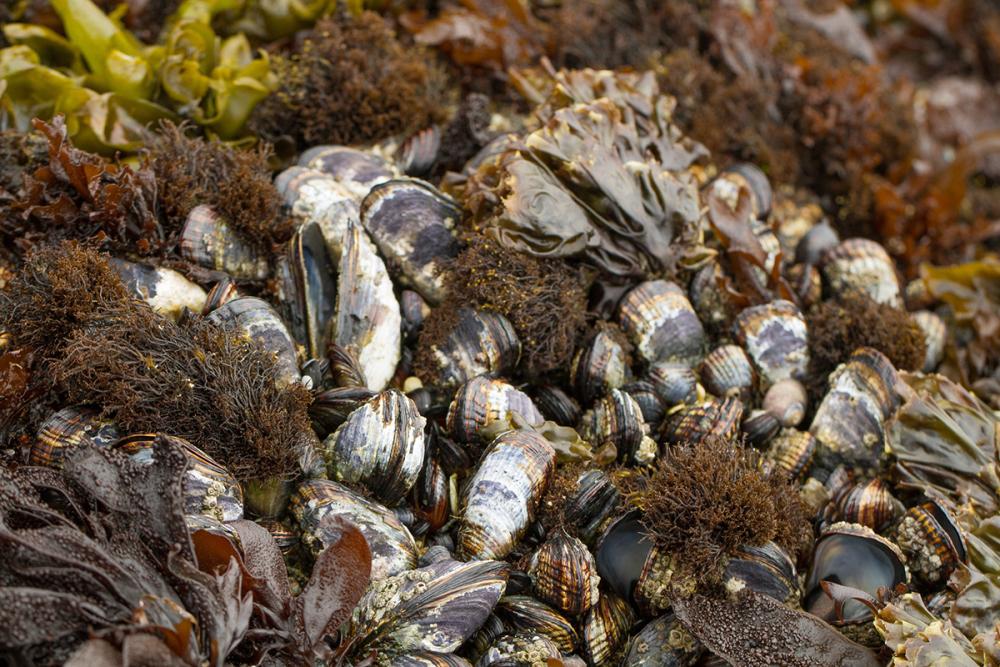
Biological topics from phytoplankton and primary production to zooplankton, fisheries and major marine habitats. Ecology of communities such as intertidal, shelf benthic, deep-sea and the open ocean. The course will focus on existing knowledge and contemporary research questions, as well as human impacts and conservation. This course will include lectures, group projects, field and lab work.
Biological topics from phytoplankton and primary production to zooplankton, fisheries and major marine habitats. Ecology of communities such as intertidal, shelf benthic, deep-sea and the open ocean. The course will focus on existing knowledge and contemporary research questions, as well as human impacts and conservation. This course will include lectures, group projects, field and lab work.

EVE 113 Coastal Marine Microbes
(4 units)
Dive into the hidden world of marine microbes and how they shape coastal ecosystems. Students learn both classic field ecology techniques and modern molecular tools to study free-living and symbiotic microbes in action. Expect hands-on fieldwork and experiments at the Bodega Marine Lab, with plenty of data collection, discovery, and real-world applications in microbial ecology.
Dive into the hidden world of marine microbes and how they shape coastal ecosystems. Students learn both classic field ecology techniques and modern molecular tools to study free-living and symbiotic microbes in action. Expect hands-on fieldwork and experiments at the Bodega Marine Lab, with plenty of data collection, discovery, and real-world applications in microbial ecology.
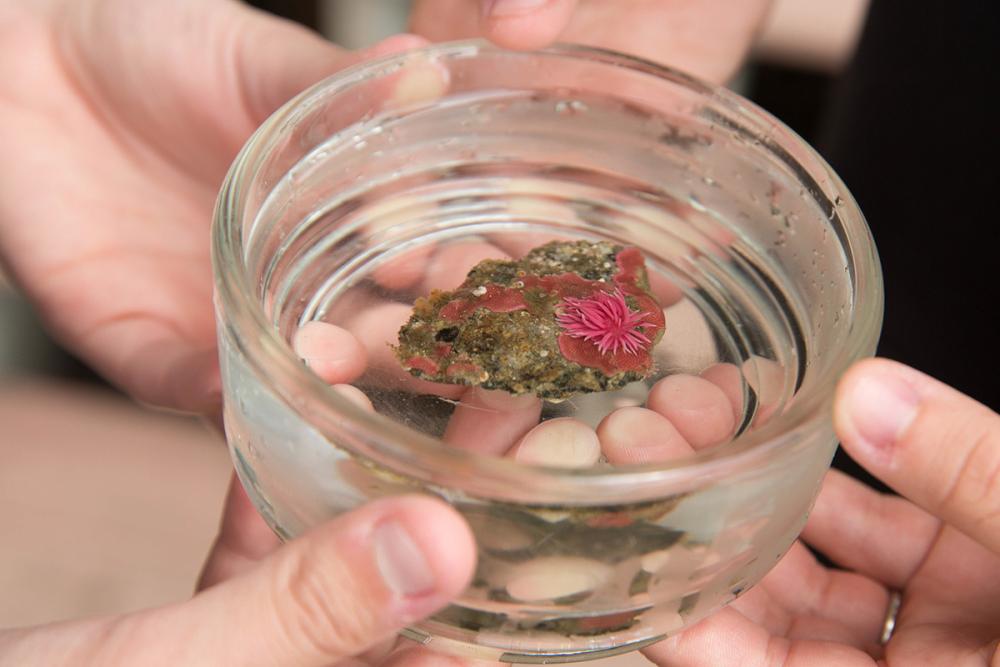
EVE/ESP 111 Marine Environmental Issues
(1 unit)
Examination of critical environmental issues occurring in coastal waters including the effects of climate change, overfishing, and other human impacts. Through readings and group discussions, students will develop an integrative understanding of the oceanographic and ecological processes.
Examination of critical environmental issues occurring in coastal waters including the effects of climate change, overfishing, and other human impacts. Through readings and group discussions, students will develop an integrative understanding of the oceanographic and ecological processes.
EVE/BIS/ESP/GEL 199 Research Units
(1-3 units)
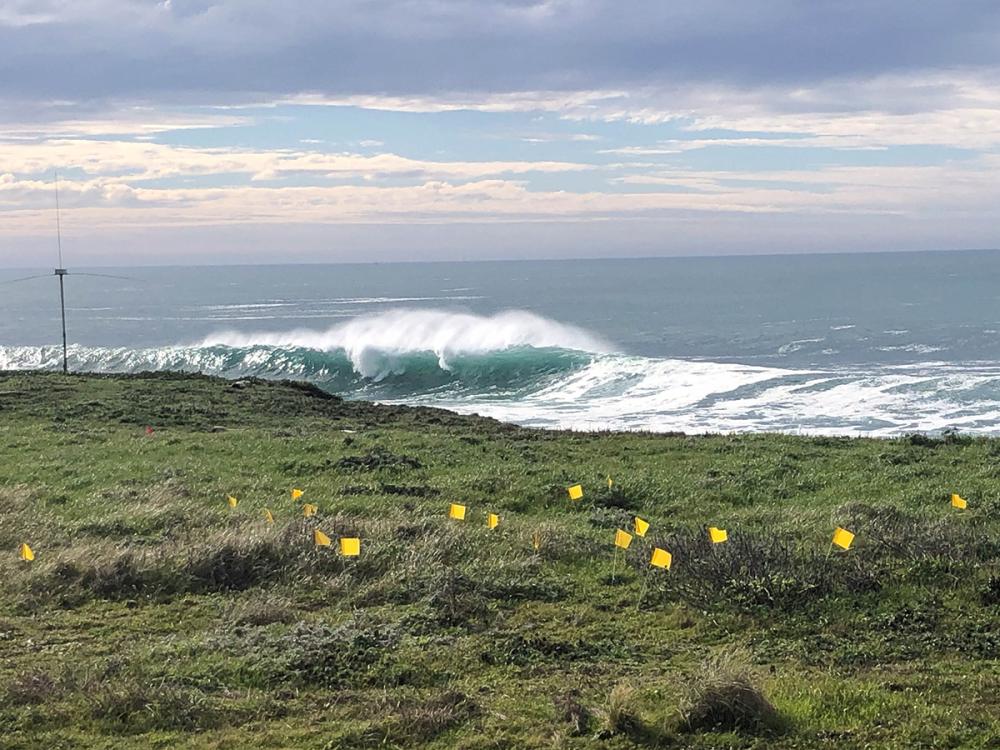
Research projects by consent of instructor. If you are interested in pursuing an independent research project, please fill out the appropriate section on the Summer Session application to be matched with a potential mentor. Please note that research/ internship opportunities are limited, and we may not have space for every applicant.
Instructor: BML faculty, to be determined
Research projects by consent of instructor. If you are interested in pursuing an independent research project, please fill out the appropriate section on the Summer Session application to be matched with a potential mentor. Please note that research/ internship opportunities are limited, and we may not have space for every applicant.
Instructor: BML faculty, to be determined
Course Details:
Please note that research/ internship opportunities are limited, and we may not have space for every applicant.